 +254 114 069 986
 PPB Certified


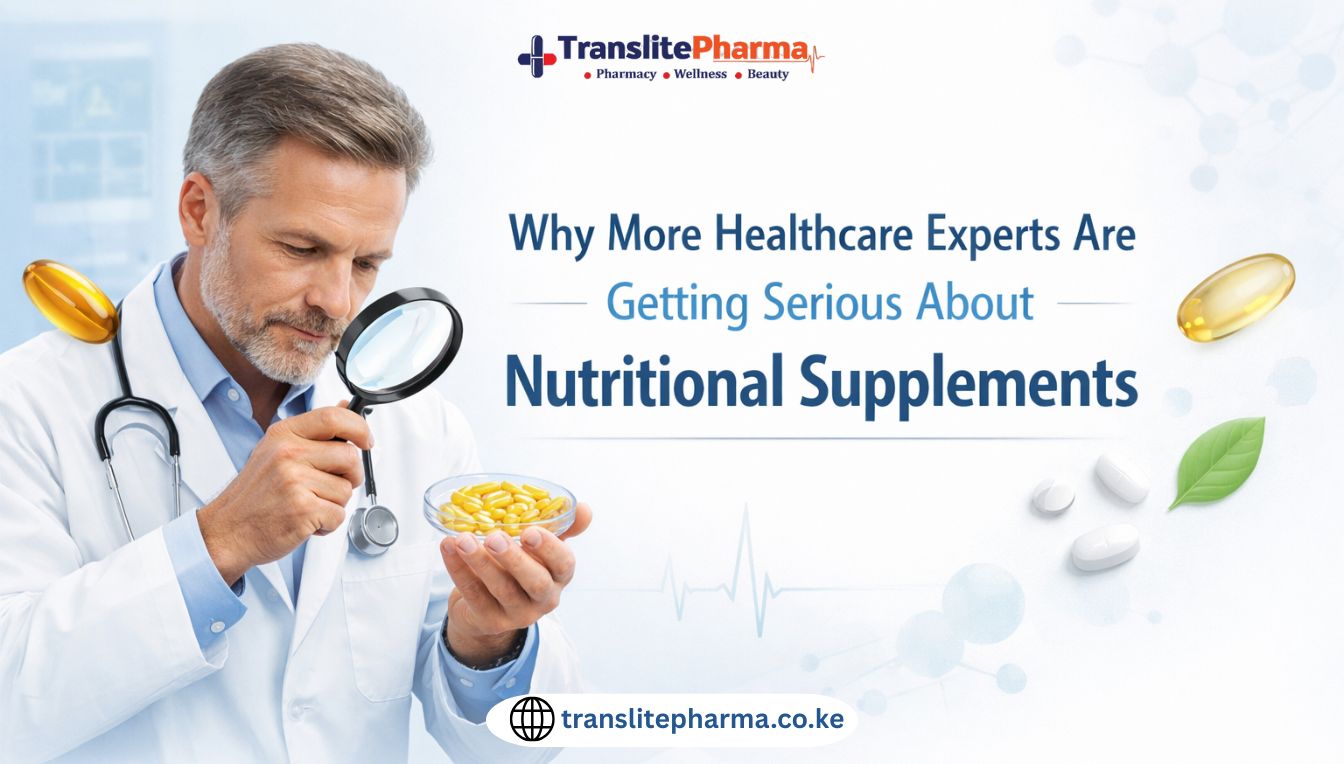
For most of the last century, medicine worked on a simple premise- you fall ill, you seek treatment. That was the deal. But over the past decade, a growing number of healthcare professionals have started asking a harder question- what if we caught the problem before it became one? It’s a shift that sounds obvious, yet it took years of evidence and rising disease burdens to move it from theory into practice.
That change in thinking is exactly why supplements for health care have moved into more serious clinical conversations. Across Kenya and beyond, practitioners are no longer dismissing nutritional support as a wellness trend- many are building it directly into patient care, not as a replacement for medicine, but working alongside it.
The Growing Case for Preventive Medicine
Non-communicable diseases- diabetes, heart disease, hypertension- are not rare outliers. They’re among the leading causes of death across sub-Saharan Africa, and Kenya is not insulated from that. Many conditions develop quietly over years before they’re diagnosed, and by the time symptoms appear, a significant amount of preventable damage may already be done.
Several realities are pushing preventive medicine forward-
- NCD rates keep climbing in both urban and rural communities across Kenya
- Micronutrient deficiencies are widespread in East African populations, often without visible symptoms
- Patients are asking harder questions about what they can do before a diagnosis forces their hand
- Healthcare providers recognize that keeping people healthier longer is more sustainable than managing repeated crises
The Role of Supplements for Health Care in Disease Prevention
Here’s something that doesn’t get said enough- most people, even those with reasonably balanced diets, carry nutritional gaps they’re unaware of. A working professional in Nairobi eating three meals a day might still be chronically low on vitamin D, magnesium, or zinc- no obvious symptoms, but quietly affecting how well the body functions.
This is where supplements for health care do their most useful work. Practitioners are integrating supplementation into clinical protocols across several areas-
- Immune resilience- Vitamin C, D, and zinc are the most well-evidenced starting points
- Antioxidant protection- Selenium and vitamin E help manage oxidative stress linked to chronic conditions
- Metabolic function- B-vitamins and magnesium support energy metabolism and stress regulation
- Gut health- Probiotic and prebiotic formulations are gaining serious clinical attention
- Targeted deficiency correction- Iron for women of reproductive age, vitamin D for those with limited sun exposure
Responsible practitioners aren’t handing out supplement lists indiscriminately- they identify specific gaps, match them to evidence-backed formulations, and monitor results. Used that way, supplements for health care aren’t an alternative to medicine. They’re part of it.
What the Research Indicates?
The evidence base has grown substantially, and it’s worth looking at what it actually shows-
- Vitamin D- multiple trials link it to reduced respiratory infection frequency, particularly in deficient individuals
- Omega-3 fatty acids- consistently studied for cardiovascular protection and anti-inflammatory effects
- Probiotics- show meaningful results in gut microbiome support, increasingly tied to broader immune function
- Magnesium- appears in research on sleep, blood pressure, and anxiety; more people are deficient than realize
Not every supplement lives up to its marketing- that’s worth saying plainly. Quality of evidence varies, but targeted nutritional support grounded in individual clinical need is well-supported as a preventive health strategy.
Best Immune Boosters in Nairobi- What Healthcare Professionals Recommend
Demand for immune support products in Nairobi has risen sharply, and so has the noise around what’s worth buying. The best immune boosters in Nairobi share a common profile- real clinical backing, verifiable manufacturing standards, and appropriate dosing.
Formulations that healthcare professionals in Kenya most consistently recommend-
- Vitamin C- foundational, well-studied, effective at the right doses
- Zinc- supports white blood cell function; commonly deficient in people with low meat or shellfish intake
- Vitamin D3- particularly relevant in urban Kenya, where indoor work limits sun exposure
- Elderberry extract- growing clinical interest in antiviral and anti-inflammatory properties
- Multivitamin complexes- practical for addressing multiple deficiencies simultaneously
When reviewing any product, practitioners check for-
- Transparent ingredient labelling- proprietary blends masking doses are a red flag
- Independent third-party testing
- Dosage alignment with clinical reference ranges
- Valid registration with a recognized regulatory body
Explore Medically Approved Products- Why Certification Should Be Non-Negotiable
The supplement market isn’t uniformly regulated, and that creates real risk. Some products are excellent. Others contain less of the active ingredient than claimed, or more of something that shouldn’t be there.
This is why patients and practitioners are advised to explore medically approved products rather than rely on branding or packaging alone. Certified formulations offer-
- Verified ingredient purity and accurate potency
- Dosages within established safety thresholds
- Reduced contamination risk through controlled manufacturing
- Documented indications and contraindications a clinician can actually use
In Kenya, the Pharmacy and Poisons Board (PPB) handles this oversight. A valid PPB registration number means a product has cleared a formal safety and efficacy review- a baseline worth insisting on.
How to Choose the Right Nutritional Supplement- A Practical Step-by-Step Guide
- Speak with a healthcare provider first- medications, existing conditions, and health history all matter here.
- Get tested- a blood panel identifies real deficiencies rather than leaving you to guess.
- Choose evidence-based formulations- look for peer-reviewed support behind the active ingredients.
- Verify PPB registration- especially important with newer or less familiar brands.
- Consider bioavailability- the form a nutrient comes in affects how well your body absorbs it.
- Stick to recommended doses- exceeding safe thresholds rarely improves outcomes and can cause harm.
- Review periodically- nutritional needs shift with age and lifestyle.
Final Words
Supplements for healthcare, when applied appropriately under clinical advice, have now found a credible role in preventive medicine, not as a treatment, but as a convenient component of establishing health resilience over time. Nevertheless, the only way to enjoy the benefits of this potent mix is to know the basics and the right instructions.
If you are looking to check some of these supplements, Translite Pharmaoffers quality-assured nutritional products to support preventive care across Kenya. Visit the website to explore formulations suited to your health needs.
FAQs
Why are healthcare experts recommending supplements more frequently?
The evidence has caught up with the idea. Research linking nutritional deficiencies to chronic disease risk has made targeted supplementation a genuinely clinical conversation.
Are nutritional supplements safe for long-term use?
Generally yes, at appropriate doses with periodic professional review. The real risk is doses that exceed safe thresholds or interact with existing medications.
What are the best immune boosters available in Nairobi?
Vitamin C, Vitamin D3, and Zinc top most professional recommendations, alongside quality probiotic formulations. Choose PPB-registered products with verifiable clinical backing.
How do I confirm a supplement is medically approved?
Check for a valid PPB registration number on the label. Your pharmacist can verify it- worth asking before committing to regular use.
Can supplements replace a balanced diet?
No. They fill specific gaps; they don’t replicate what whole food provides. A targeted addition to good health habits, not a substitute for them.


 No products in the cart.