 +254 114 069 986
 PPB Certified


If you have ever felt that stubborn, burning pain sitting somewhere between your chest and stomach- especially on an empty stomach- you already know how relentless a stomach ulcer can feel. It follows you through the day, makes every meal feel like a risk, and often disturbs your sleep. The good news is that there is an easy and convenient solution. Stomach ulcer tablets work remarkably well, and most people heal completely with the right treatment.
That said, not all ulcer tablets work the same way. Understanding the difference can genuinely shape how you approach recovery. This blog will work as your guide to knowing how ulcers form, what different tablets do, what a proper treatment plan looks like, and how to access the right medication here in Kenya.
What Are Stomach Ulcers?
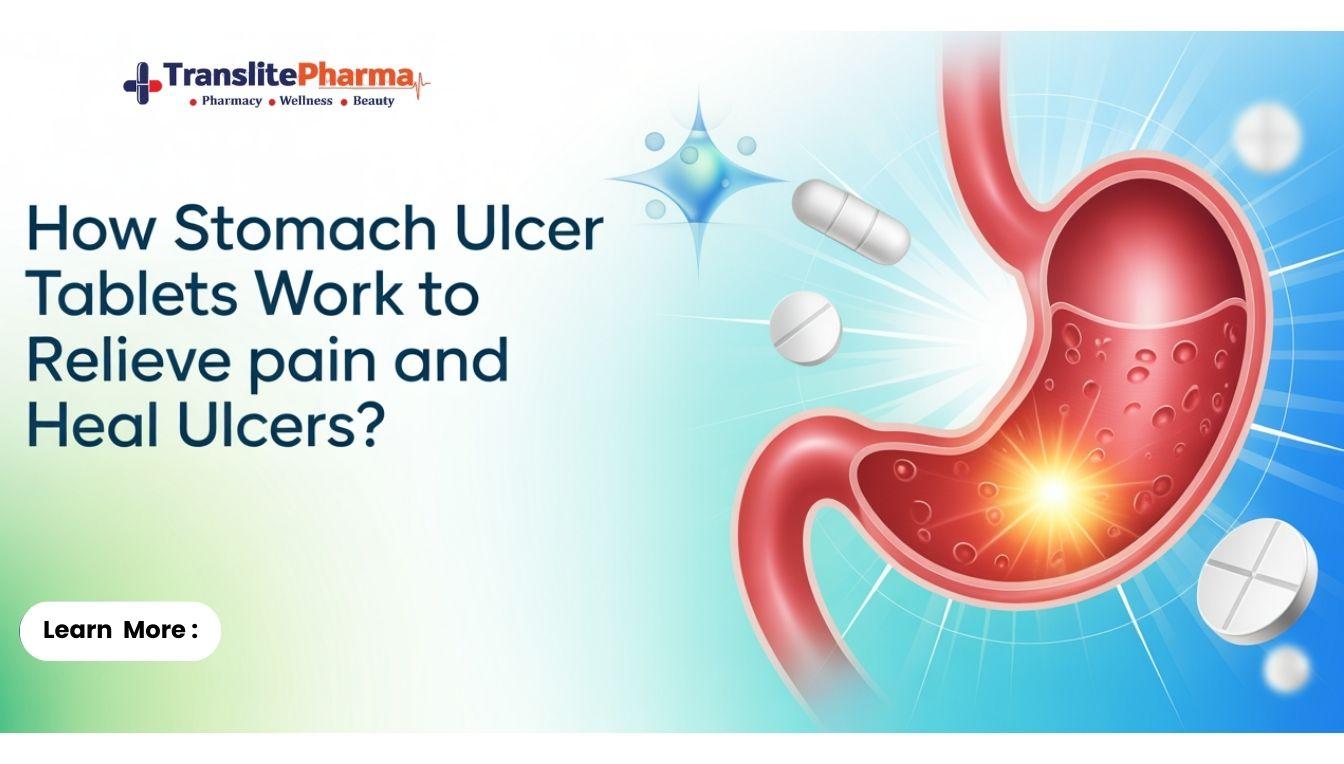
Stomach ulcers are small, raw sore spots that appear when your stomach lining gets worn down. Your stomach lining is a protective wall between the powerful digestive acid and the sensitive tissue underneath. When that wall gets worn down, a small raw sore forms- and every time acid touches it, you feel that extreme burning sensation.
The two most common causes are-
- A bacterial infection called H. pylori, which is far more common than most people realize
- Regular use of painkillers (ibuprofen or aspirin), which seem harmless but gradually erode the stomach lining
Here’s the most concerning part- ulcers do not heal on their own. With time, things only get worse. That is why early, proper treatment makes all the difference.
How Stomach Ulcer Tablets Actually Work?
Most people assume ulcer tablets simply dull the pain. In reality, they do far more. Different types target the problem in different ways- and often, a combination is what leads to complete recovery.
They Bring the Acid Down
Stomach acid keeps an ulcer painful and prevents healing. Certain stomach ulcer tablets counter this directly by reducing how much acid your stomach produces.
- Proton Pump Inhibitors (PPIs) like omeprazole are the most widely prescribed. They lower acid levels significantly and give the ulcer the calm it needs to heal.
- H2 Blockers like famotidine work similarly but with a gentler effect- often suited for milder cases.
Simply put- less acid means less irritation, and less irritation gives your body a real chance to repair the damage.
They Cancel Out the Acid Already There
As opposed to what many people likely think, the antacids do not cause the acid production to be lowered- they facilitate the neutralization of the available acid. As a stand-alone treatment, they do not cure ulcer- however, when pain is excessive, they are fast and sure in providing temporary relief.
They Shield the Ulcer While It Heals
Some medications coat the ulcer directly- almost like placing a bandage over a wound from the inside. This protective layer keeps acid and irritants away while the tissue underneath gradually repairs itself.
They Clear the Bacteria Causing the Problem
When a bacterial infection is involved, antibiotics are added to the treatment. They work alongside acid-reducing tablets to eliminate the infection completely. This step cannot be skipped- because if the bacteria remain, the ulcer will almost certainly return.
What a Proper Treatment Plan Looks Like?
Recovering from a stomach ulcer is straightforward- but it requires consistency. Here is how treatment typically progresses-
- See a Doctor- A diagnosis confirms the ulcer and checks for a bacterial infection.
- Get the Right Medication- Your doctor prescribes an acid reducer, a protective tablet, antibiotics, or a combination.
- Week One- Acid levels drop, and most patients feel noticeably better within a few days.
- Weeks Two to Six- The stomach lining heals gradually. Avoid alcohol, spicy foods, and painkillers like ibuprofen during this time.
- Finish the Full Course- Even when you feel well, completing every tablet matters- especially antibiotics.
- Follow Up if Advised- Your doctor may confirm the infection has cleared and the ulcer has fully healed.
Why Appetite Enhancers Medicine Is Worth Considering?
Something that rarely gets discussed- stomach ulcers often kill your appetite. When you are in pain anytime you eat, it is only natural that you stop eating. However, that short-term relief may actually bring severe consequences. Your body needs consistent nutrition to heal, and skipping meals only prolongs recovery.
Appetite enhancers medicine are an unsung heroes during this time. They aid your recovery process by stimulating hunger and encouraging regular, balanced eating throughout the recovery period.
Accessing Medication through an Online Pharmacy in Kenya
Not everyone lives near a well-stocked pharmacy- and even when they do, life does not always allow for a visit. An online pharmacy in Kenya removes that barrier. You find what you need, place your order, and it comes to you.
Translite Pharma offers a reliable range of ulcer medications with pharmacist support, so you are never left making uninformed decisions. When choosing any online pharmacy, keep these points in mind:
- Confirm it is licensed by the Pharmacy and Poisons Board (PPB) of Kenya
- Check that product information is clear and complete
- Look for accessible pharmacist or customer support
- Verify that delivery is consistent and reliable
Final Words
Stomach ulcers are painful- but they respond well to proper treatment. Stomach ulcer tablets work by reducing acid, protecting the stomach lining, and clearing the infection at the source. Add consistent nutrition and, where your doctor recommends it, appetite enhancers medicine– and recovery becomes far more manageable.
If you are struggling with stomach ulcers and want to try an online pharmacy in Kenya for relief solutions, check out Translite Pharma. We offer country-wide delivery and store pickup.
FAQs
1. How quickly will I feel better after starting ulcer tablets?
Most people notice a difference within three to seven days. Full healing, however, usually takes four to eight weeks- so completing the full course is essential.
2. Can I stop taking medication once the pain goes away?
No. Stopping early, especially with antibiotics, gives the infection a chance to return and become harder to treat. Always finish what has been prescribed.
3. Do I need a prescription to buy ulcer tablets?
Basic antacids are available without one. Stronger medications like PPIs and antibiotics require a valid prescription from a licensed healthcare provider.
4. What should I avoid during treatment?
Spicy foods, alcohol, caffeine, and painkillers like ibuprofen and aspirin, can aggravate the ulcer and work against your recovery.
5. Can a stomach ulcer return after treatment?
Yes, particularly if the bacterial infection was not fully cleared or the underlying habits continue. Completing your full treatment and adjusting a few lifestyle habits significantly reduces the risk.


 No products in the cart.