 +254 114 069 986
 PPB Certified

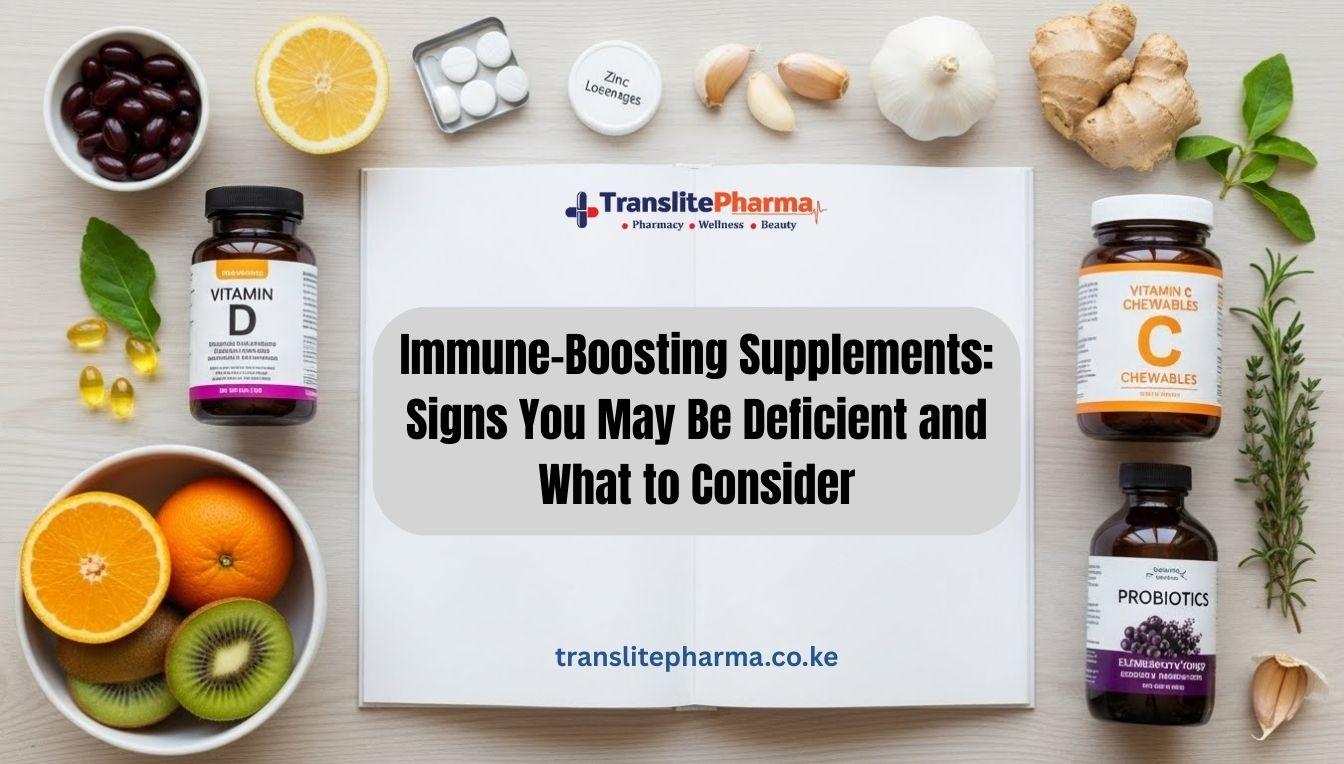
When people search for supplements for immune boosters, they’re usually trying to fill nutrition gaps during stress, poor sleep, travel, or seasonal illness spikes. The goal isn’t to develop “superhuman” immunity overnight, but to support normal immune function with the right nutrients, sensible doses, and consistent habits.
In this blog, we will discuss all the basics of immunity-boosting supplements, the essential ones to add to your daily routine, and important things to look out for while choosing a supplement.
What Immune Support Actually Means?
The immune system is a two-tiered tool; it responds to attacks on the body quickly and with a specific response as it becomes more specialized. These systems are not replaced by nutrients; however, they assist in the proper functioning of immune cells, particularly when the intake is low or demand is increased.
The lifestyle does not lose its importance, as sleep, sufficient protein, water, and a proper diet provide the background on which supplements are constructed. Numerous pharmacy-like immune products are developed as a daily essential (such as vitamin C or vitamin D) and add-ons (such as zinc or herbal formulation).
What Are Some Signs of Deficiency?
Deficiency of micronutrients can cause severe health complications and, in severe instances, even the peripheral deficiencies can affect the immune system. Persistent problems should be verified by a clinician or lab tests when needed because of the similarity of the symptoms with the majority of the conditions.
Possible “nutrition gap” signals to take seriously include:
- Getting sick often or taking longer than usual to recover.
- Persistent fatigue or being run-down weeks, in particular, when nutrition and exposure to sunlight were inconsistent.
- Delays in wound healing may be associated with low micronutrient consumption and immune-mediated micronutrient functions.
- Frequent mouth/gum issues or easy bruising may indicate broader diet gaps needing assessment.
- Low appetite or limited food variety for long periods can reduce overall vitamin/mineral intake.
Where Appetite and Gut Health Fit?
If your food intake is being limited due to a poor appetite, addressing the underlying cause can make vitamins to boost your immune system more effective because the body still needs adequate calories and protein to use nutrients well. Some shoppers also look for supportive options like appetite enhancers medicines, or digestive care products when reduced intake is part of the problem, but these should be chosen with professional guidance if symptoms are persistent. If stomach discomfort is a factor, search for symptom relief options such as stomach ulcer tablets while also investigating root causes with a clinician.
Evidence-Based Vitamins to Boost Your Immune System
Research reviews consistently highlight vitamins C and D and the mineral zinc among the nutrients with the strongest evidence for immune support. Consider these as “core” options before buying large multi-ingredient stacks marketed as supplements for immune boosters.
Vitamin D
Vitamin D plays a great role in immune functions, as it has been observed to make people more susceptible to infections in case of deficiency. The UV radiation also leads to the production of vitamin D in the skin. However, there are many factors that affect the synthesis (time spent indoors, skin coverage, usage of sunscreen, and pigmentation of the skin), hence resulting in intermittent intake.
When choosing a product, note that vitamin D supplements commonly come as vitamin D3, and guidance varies on who needs routine testing or supplementation.
Vitamin C
Vitamin C is vital in the immune system and is considered one of the best and easiest-to-take daily supplements in immune regimens. The first reason is that in the discussion of clinical nutrition, there are deficiencies that have to do with impaired immunity and increased vulnerability to infection.
Buyer-friendly formats often include chewables and effervescent tablets.
Zinc
Zinc plays a very important role in the innate and adaptive immune system, and a lack of it can be associated with a weakened immune system. Since high zinc does increase copper losses, it is prudent not to take a bunch of high-zinc products long-term unless a clinician is advising it.
Multi-Nutrient Immune Formulas and Herbal Add-Ons
There are multivitamin/mineral products that can cover the bases that an inadequate diet may have missed. Seasonal/herbal products consisting of echinacea or elderberry are good options for immune support. However, they should be used cautiously if you are having some health issues or are on immune-modulating drugs.
What to Consider Before Buying?
Choosing supplements for immune boosters is mostly about matching the product to your goal (daily support vs. short seasonal support) and avoiding unnecessary overlaps. A practical “daily basics first” approach is often described as vitamin D plus vitamin C (depending on diet and sun exposure), then adding targeted options like zinc for limited periods.
Also look at:
- Form you’ll actually take (tablet, gummy, chewable, effervescent) because consistency is a major part of results.
- Label clarity: Dosage per serving, serving size, and whether you’re accidentally doubling the same nutrient across products.
- Extra ingredients like added sugars (common in gummies or fizzy drinks) and allergens or botanicals that may not suit everyone.
- When to ask first: Pregnancy/breastfeeding, chronic illness, autoimmune conditions, and prescription medication use are common reasons to seek personalized advice before supplementing.
Step-by-Step Buying Checklist
Use this quick checklist before you add any supplements for immune boosters to your cart:
- Define your goal: daily foundation or short seasonal support.
- Review diet basics: protein intake, fruit/veg frequency, and any long-term food restrictions.
- Consider whether testing makes sense.
- Pick 1–2 “core” nutrients first.
- Check for stacking: avoid repeating high doses of the same nutrient across multiple products.
- Choose a format you can stick to.
- Set a time horizon: daily basics may be ongoing, but seasonal add-ons are commonly used as a short-term solution.
- If unsure, contact a qualified health professional or pharmacist for interaction checks and personalized guidance.
Final Words
As healthy and helpful as they can be, supplements can never substitute the effect that sleep, a proper diet, and hydration can have on your health. Nevertheless, immune support can be effective when supplements are used to cover actual deficiencies. Begin with evidence-based foundations such as vitamin C, vitamin D, and zinc, select the doses that one can take regularly, and do not combine doubles of the same.
If you are looking to buy supplements for immune boosters in Kenya, check out Translite Pharma.
FAQs
What are the best supplements for immune boosters to start with?
Many evidence reviews highlight vitamins C and D and zinc among the nutrients with the strongest support for immune function. The best starting choice depends on diet, sunlight exposure, and whether you need daily support or short-term seasonal support.
How can I tell if I’m low in vitamin D?
Vitamin D status is assessed by measuring serum 25(OH)D, and deficiency risk increases at lower levels (for example, below 30 nmol/L/12 ng/mL in one major reference). Symptoms can be non-specific, so testing and clinician guidance are often more reliable than guessing.
Can I take vitamin C and zinc together?
They are commonly paired in immune routines, but it’s important not to stack multiple high-zinc products for long periods. High zinc intake can contribute to copper loss, so sensible dosing matters.
Are effervescent immune tablets as effective as capsules?
Effervescent, chewable, and capsule forms can all work, what matters most is the dose, label accuracy, and consistent use. Many shoppers prefer effervescents because they’re easier to take daily than pills.
When should I talk to a professional before using immune supplements?
It’s especially important if you’re pregnant or breastfeeding, managing chronic illness, have autoimmune conditions, or take prescription medicines that could interact with supplements. If you suspect a deficiency (such as vitamin D), testing and tailored dosing can be safer than self-prescribing high doses.
 No products in the cart.