 +254 114 069 986
 PPB Certified

Immune support matters year-round, not only during flu season where lack of sleep, stress, travel and packed schedules can all tax recovery. Many people look for vitamins to boost your immune system once they feel run down but steady habits usually deliver more reliable results over time.
The guide below covers evidence-backed vitamins and the best supplements to boost your immune system for a stronger you.
Vitamins to Boost Your Immune System
1. Vitamin C – Antioxidant Support and Immune Cell Function
Vitamin C supports immune defense through barrier support and by supporting normal immune cell functions. The NIH also notes vitamin C has physiological and antioxidant roles in white blood cells which is part of why recommended intakes sit above the level needed to prevent deficiency.
Food sources include:
- citrus
- guava
- bell peppers
- broccoli
A supplement can help during weeks where produce intake drops or physical stress runs high.
Practical dosing pointers –
Split a higher daily amount into two smaller servings to reduce stomach discomfort.
- Take vitamin C alongside food if acidity causes nausea.
- Avoid megadosing as very large oral doses can cause digestive upset.
2. Vitamin D – Immune Regulation and Seasonal Support
Vitamin D plays a regulatory role in immune function and immune cells can respond to vitamin D signaling. The NIH immune function summary also discusses research that links vitamin D status with respiratory infection risk in several analyses.
Low vitamin D status is more likely in people who spend much of the day indoors or get limited sunlight. A blood test can clarify your starting point, especially for frequent infections, persistent fatigue or minimal sun exposure. “Vitamin D dosage for immunity” comes up often as needs vary and higher-dose plans deserve clinician input.
Factors that change needs –
- Sun exposure habits and location.
- Skin tone, age and body size.
3. Vitamin A – Mucosal Barrier and Respiratory Support
Vitamin A supports epithelial tissues, including mucosal surfaces, that act as a first line of defense. Retinol is preformed vitamin A from animal foods while beta-carotene is a plant source that the body can convert.
Most people do well focusing on food sources such as eggs, dairy and orange or green vegetables. Supplementation needs caution because high-dose retinol can accumulate, and pregnancy raises safety concerns.
4. Vitamin E – Antioxidant Protection for Immune Cells
Vitamin E helps protect cell membranes from oxidative damage and deficiency can affect immune function. Nuts, seeds and plant oils contribute meaningful amounts through diet.
Interaction risk matters, especially for people using anticoagulants since higher-dose vitamin E may affect bleeding risk. Clinician guidance adds safety when long-term use is planned.
5. B Vitamins – Energy, Cell Renewal and Immune Balance
Folate and vitamin B12 support immune cell health and deficiencies can reduce certain immune responses. Vitamin B6 also contributes to immune-related pathways, which is one reason “immune support supplements for adults” discussions often include a balanced B-complex.
Low intake risk rises in restrictive diets, digestive disorders and older age groups. Appetite changes deserve medical context too, since appetite enhancers medicine is not a safe self-directed shortcut for low energy or frequent illness.
Selection notes that keep things practical –
- Vitamin B12 matters most for vegetarians, vegans and people with absorption concerns.
- Folate is best kept moderate unless a clinician advises otherwise.
Best Supplements to Boost Your Immune System
Product choice matters less than consistency, tolerability and sensible dosing. The best supplements to boost your immune system often look simple on paper, but they fit your routine and cover clear gaps.
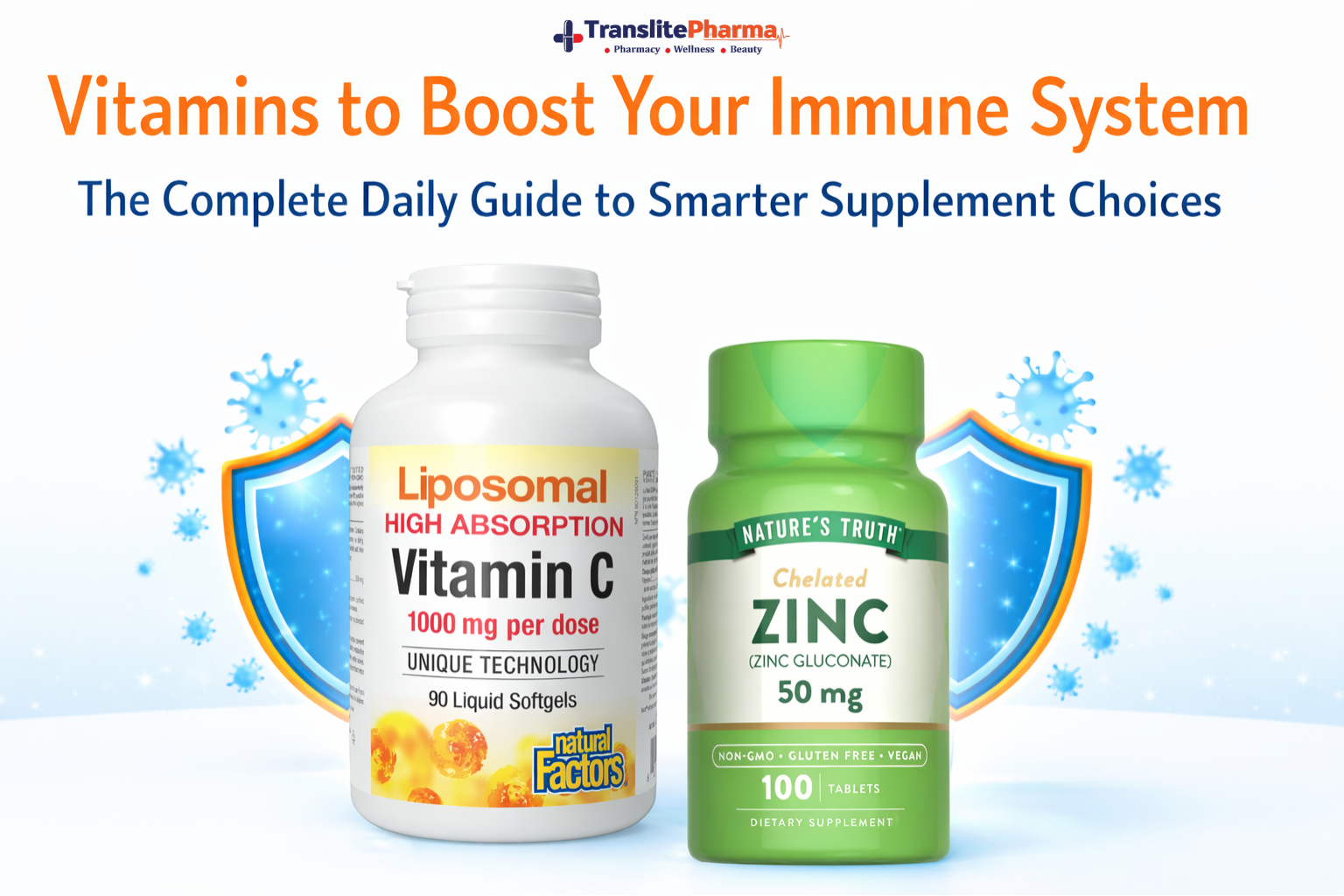
Natural Factors Liposomal Vitamin C 1000Mg 90’s
Natural Factors Liposomal Vitamin C uses a liposomal delivery system that encases buffered vitamin C to support fast absorption into cells. The product page highlights immune function support, antioxidant support and collagen formation roles tied to wound repair and healthy gums.
Product key features –
- Liposomal delivery system designed for fast absorption.
- Buffered vitamin C aimed at better stomach comfort than standard forms.
- Supports immune function and provides antioxidant support.
- Supports collagen formation for wound repair and gum health.
Natures Truth Zinc Gluconate 50Mg 100’S Tablets
Natures Truth Zinc Gluconate provides 50 mg zinc per tablet, and the page positions it for immune function, skin health and wound healing support. Many people search “zinc supplement for colds” during high-exposure seasons, and zinc is commonly used as a targeted add-on.
Product key features –
- 50 mg zinc per tablet.
- Supports immune function and skin health.
- Suggested use is one tablet daily with food.
Conclusion
Food quality, sleep and stress management lay the foundation and targeted vitamins can fill real gaps without overloading the routine. The best supplements to boost your immune system are those you can take consistently at sensible doses without stacking unnecessary overlaps.
Translite Pharma is a trusted online pharmacy in Kenya for immune-support essentials — choose your products and place your order today!
FAQs
1. What are the best vitamins to boost your immune system every day
Vitamin C and vitamin D are common daily choices, and many routines also include key B vitamins based on diet and risk factors.
2. Can I take vitamin C and vitamin D together
Most people can take both on the same day, and taking vitamin D with a meal that includes fat can be helpful.
3. How do I know if I am deficient in vitamin D or B12
Blood testing provides the clearest answer, and risk rises with low sun exposure for vitamin D plus restrictive diets or absorption issues for B12.
4. Are high doses of immune vitamins safe long term
High doses can cause problems, especially fat-soluble vitamins that can accumulate in the body, so clinician guidance matters.
5. What is the best time of day to take immune-support vitamins
Meals work well for fat-soluble vitamins such as A, D and E, while water-soluble vitamins such as C and most B vitamins can fit any time you stay consistent.
 No products in the cart.